
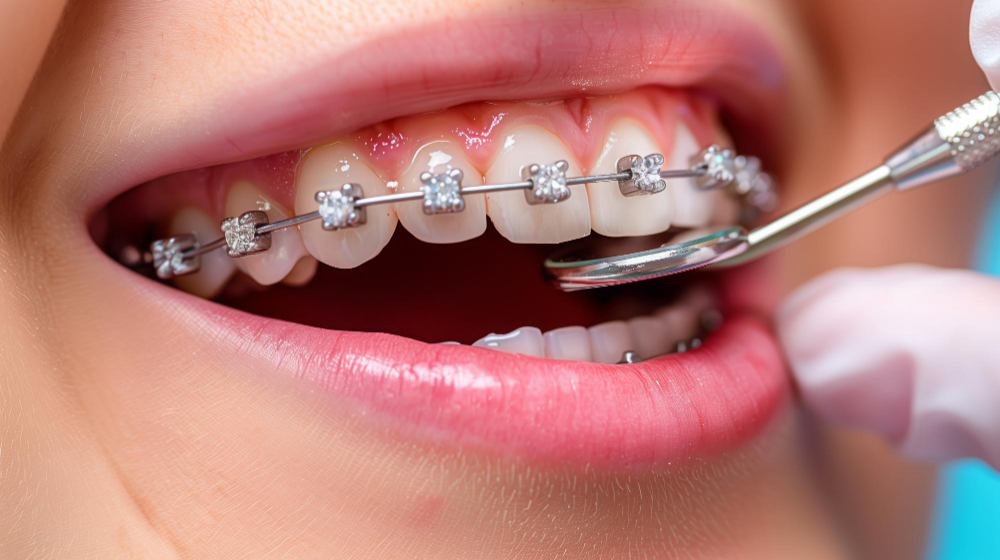
What Are Braces?
Braces are special dental devices that help straighten teeth. They also fix bite problems and improve your smile. Dentists and orthodontists use braces to move teeth into better positions. Many people, both adults and teens, choose braces for a healthier mouth and more confidence. According to the American Dental Association, braces are safe and effective when used properly.
Common Reasons for Needing Braces
Many people need braces for different reasons. For example, some have crooked teeth. Others have crowded teeth or gaps. Sometimes, the upper and lower teeth do not fit together well. This is called a bite problem. Braces can help fix:
Early treatment can prevent bigger problems later. However, adults can benefit from braces too.
Types of Braces
Today, there are many types of dental braces. Each type has its own benefits. Let’s look at the most common options:
Your dentist or orthodontist will help you choose the best type for your needs.
How Do Braces Work?
Braces work by gently moving teeth over time. Wires and brackets put steady pressure on your teeth. As a result, teeth slowly shift into better positions. Clear aligners work in a similar way, but they use a series of trays. Each tray moves teeth a little more. Over time, your smile improves. Regular adjustments help guide the teeth safely.
The Process of Getting Braces
Getting braces involves several steps. Here is what you can expect:
The whole process can last from several months to a few years, depending on your needs.
Care and Maintenance Tips
Proper care is important for healthy teeth during treatment. Here are some braces care tips:
Good care helps prevent cavities and keeps your treatment on schedule.
Potential Discomfort and How to Manage It
Some people feel mild pain or soreness after getting braces. This is normal and usually goes away in a few days. To help manage discomfort, you can:
If pain lasts or gets worse, contact your dentist for advice.
Expected Results and Benefits
Braces can give you a straighter smile and healthier teeth. They also help fix bite problems, making it easier to chew and speak. After treatment, you may feel more confident. In addition, straight teeth are easier to clean, which lowers your risk of cavities and gum disease. Most people see great results if they follow their dentist’s advice.
Myths and Facts About Braces
There are many myths about braces. Let’s clear up some facts:
Knowing the facts can help you feel more comfortable about treatment.
Prevention and Oral Hygiene with Braces
Good oral hygiene is very important with braces. Brushing and flossing remove food and plaque. This helps prevent cavities and gum problems. Here are some tips:
With the right care, your teeth and gums will stay healthy during treatment.
Conclusion: Is It Time for Braces?
Braces can improve your smile and your health. They work for both adults and teens. If you have questions about types of dental braces or want to know how braces work, talk to a dental professional. Consult a qualified dentist or orthodontist at VK Dental and Aesthetics to discuss if braces are right for you.