
Introduction
Periodontal diseases, also known as gum diseases, are common problems that affect the tissues around your teeth. These diseases can cause swelling, bleeding, and even tooth loss if not treated. In fact, many adults experience some form of gum disease during their lives. Because healthy gums are important for strong teeth, understanding periodontal diseases is key. This blog will explain what periodontal diseases are, their symptoms, causes, and how you can prevent them. Let’s learn how to keep your gums healthy and your smile bright.
What are Periodontal Diseases?
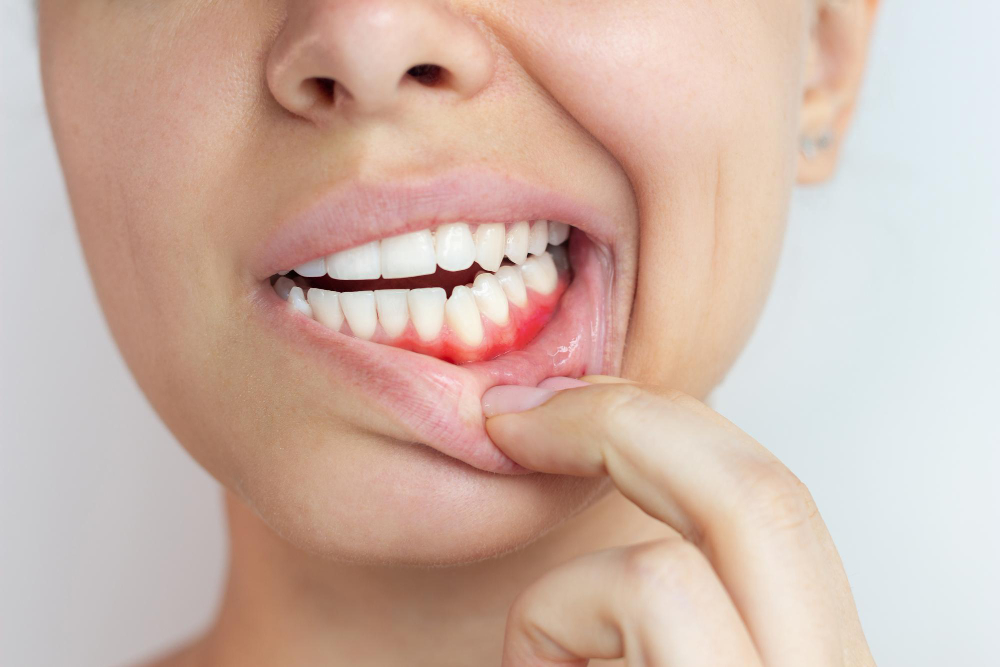
Periodontal diseases are infections of the gums and the bone that support your teeth. Usually, these diseases start with gum inflammation, called gingivitis. If left untreated, gingivitis can turn into periodontitis, a more serious form. With periodontitis, the gums pull away from the teeth, and bone can be lost. Over time, teeth may become loose or even fall out. However, early treatment can stop the disease and protect your teeth.
Common Symptoms of Periodontal Diseases
It is important to notice the signs of gum disease early. Some symptoms may be mild at first. Still, paying attention can help you get treatment sooner. Watch for these common symptoms:
If you notice any of these signs, it is wise to see a dentist soon. Early care can prevent more serious problems.
Causes and Risk Factors
Gum diseases are mainly caused by plaque, a sticky film of bacteria on your teeth. If plaque is not removed by brushing and flossing, it can harden into tartar. Tartar makes it easier for bacteria to grow and harm your gums. Besides poor oral hygiene, several other factors can raise your risk:
Because some risks cannot be changed, good daily care is even more important.
How Periodontal Diseases are Diagnosed
Dentists use several methods to check for gum disease. First, they look at your gums for redness, swelling, or bleeding. Next, they may use a small tool to measure the space between your teeth and gums. Healthy gums fit tightly, but gum disease can cause deeper spaces. Sometimes, X-rays are needed to see if bone has been lost. With these steps, your dentist can find gum disease early and suggest the best treatment.
Treatment Options for Gum Diseases
Treatment depends on how serious the gum disease is. For mild cases, better brushing and flossing may be enough. However, more advanced cases need extra care. Common treatments include:
After treatment, regular dental visits help keep your gums healthy. Your dentist will guide you on the best steps for your needs.
Prevention and Oral Hygiene Tips
Good oral care is the best way to prevent gum diseases. Simple daily habits can make a big difference. Try these tips:
By following these steps, you can lower your risk of gum disease and keep your mouth healthy.
When to See a Dentist
It is important to see a dentist if you notice any signs of gum disease. Even if you do not have symptoms, regular dental visits are key. Early treatment can stop gum disease from getting worse. If you have risk factors like diabetes or a family history, talk to your dentist about extra care. Remember, healthy gums help keep your whole body healthy too.
Conclusion
In summary, periodontal diseases are common but preventable. With good oral hygiene and regular dental care, you can protect your gums and teeth. If you have concerns about your gum health, consult a dental specialist at VK DENTAL AND AESTHETICS for personalized guidance on gum health.